


Cornell’s research is at risk
Federal actions are putting Cornell’s research at risk. Terminated grants, stop-work orders, and non-payment for federally contracted work are disrupting progress and casting uncertainty over projects that fight disease, fuel economies, and make our world safer and more resilient.
The Provost’s Research Resiliency Fund was established to help Cornell navigate this new and shifting financial reality. Administered by Provost Kavita Bala, this unrestricted fund enables the university to respond in real time to evolving needs—bridging funding gaps, covering essential research costs, providing temporary assistance to projects that cannot pause, and supporting the research staff and students who make discovery possible.
"Research at Cornell changes lives and shapes our world, but just as important, it invests hope in a better tomorrow. Every dollar that supports discovery at Cornell brings our world closer to new cures, better and more ethical technologies and breakthroughs that build a more resilient future.” —Provost Kavita Bala
How you can help
Your support ensures that Cornell's most critical research continues uninterrupted. Gifts of any size help cover expenses and bridge the gap left by federal funding uncertainty—keeping vital projects moving forward.
Cornell research impacts the world. It saves lives, fuels innovation, powers economies, and secures our future, through projects like:
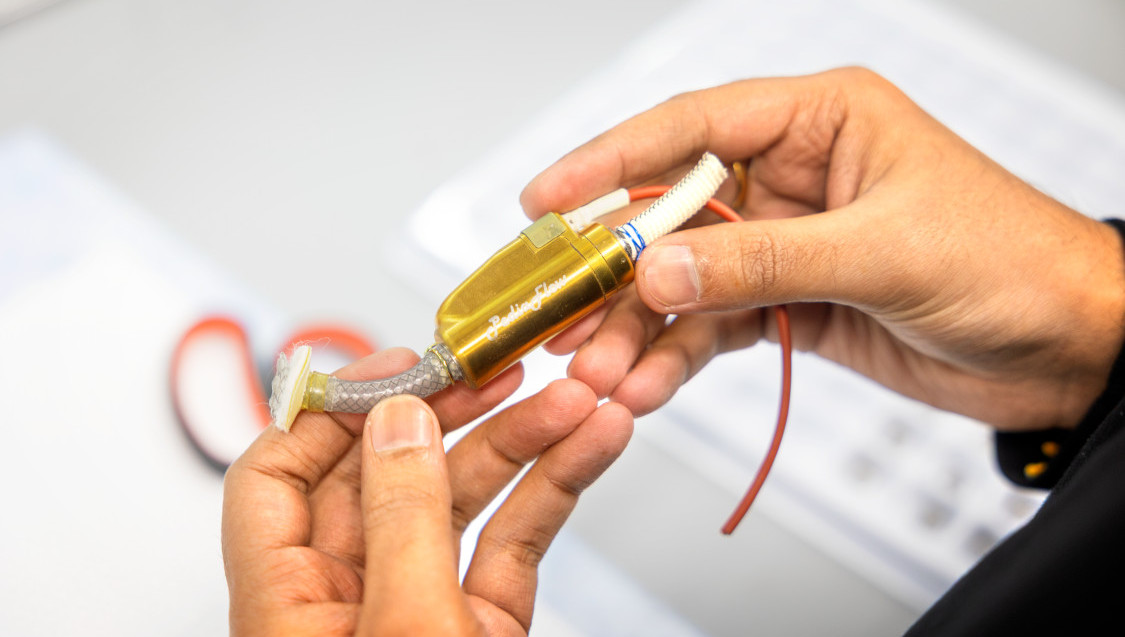
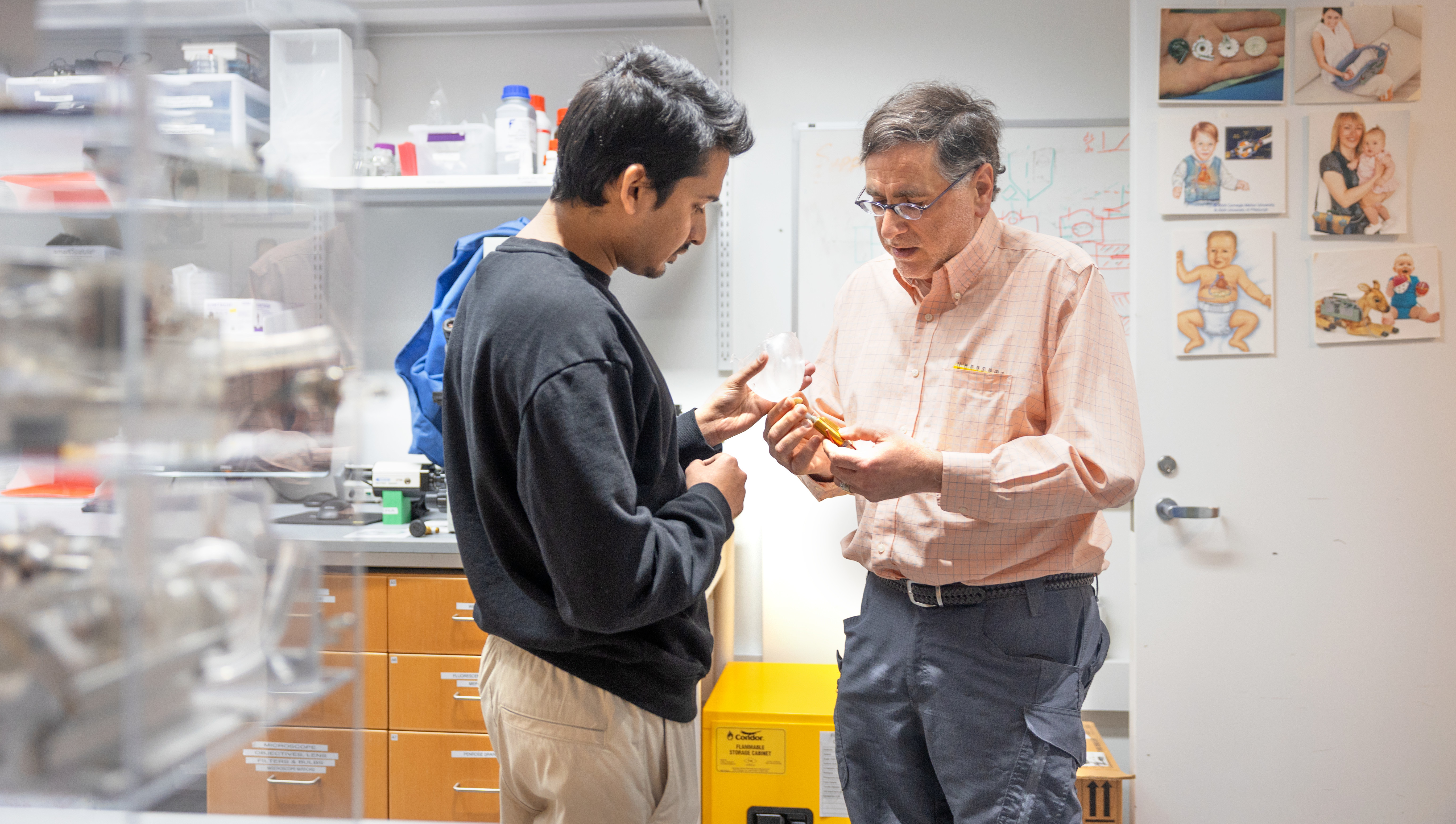
- Life-saving heart pumps for babies: PediaFlow—a device the size of an AA battery—could allow children waiting for a donor heart to play, go home, and live normal lives. But federal funding cuts are stalling research that will bring this vital device to the thousands of families who desperately need it.
- Programs that feed and educate vulnerable teens: Through the Advanced Cooking Education (ACE) 4-H After School Club, seventh and eighth graders from New York City's underserved communities learn vital life skills—cooking nutritious meals, exploring career paths, and building a healthier future for themselves and their families. Federal funding cuts forced the program to halt.
- New therapies for metastatic and treatment-resistant cancers: Federal funding cuts have stalled research into new therapies that can prevent breast cancer from spreading and that combat treatment-resistant prostate cancer, forcing scientists to race against time to continue their promising work.
- Nanotechnologies that spark startups and strengthen economies: Hundreds of scientists and entrepreneurs rely on Cornell's NanoScale Facility to turn breakthrough ideas into life-saving innovations— from targeted cancer treatments to life-changing medical devices. After losing federal funding, this vital innovation hub facing an uncertain future.
- Work that builds cultural fluency and advances global diplomacy: Cornell's Southeast and South Asia Programs, which bridge cultural divides across regions representing 2.6 billion people through rare language education, face an uncertain future after losing federal funding. These vital programs—often the only place in America teaching these endangered languages—may no longer be able to prepare future leaders who foster international diplomacy.
Your support today keeps this vital research that fuels innovation, powers economies, and secures our future moving forward. Help us continue making discoveries that will shape tomorrow.
Photo credit: Header: "Safeguarding research" by Jason Koski/University Relations (UREL); Photo 1: PediaFlow heart pump device by Jason Koski/University Relations (UREL); Photo 2: Professor James Antaki by Jason Koski/University Relations (UREL); Photo 3: Professor Tashara Leak by Jason Koski/University Relations (UREL)